Ditch the EDT/EST when coordinating meetings
Why I stopped specifying "Daylight" or "Standard" time when proposing meetings

When proposing meeting times, I used to specify “EDT” or “EST” to distinguish between Eastern Daylight Time and Eastern Standard Time. I stopped doing this. There are 3 reasons for this change.
Specifying “EDT” or “EST” requires me to remember if we are in Daylight Saving Time or Standard Time. This is one extra cognitive step that I must manually take, which introduces the possibility of human error - especially as we approach the transition from EDT to EST on November 2, 2025.
Computers, smart phones, and online calendars have automated the switching of clocks between Daylight Saving Time and Standard Time. Thus, we do not need to manually change our clocks anymore (for the most part). We simply need to open our online calendars in the morning and check our meeting times, and they will automatically synchronize with our clocks.
Legislation has sometimes changed the dates on which we switch between Standard and Daylight Saving Time. For example, the USA’s Energy Policy Act of 2005 extended Daylight Saving Time (DST) by starting it earlier and ending it later in each year, and this shift began in 2007. Keeping track of this is another cognitive step that I must manually take, which introduces the possibility of human error.
For all of these reasons, I now simply write
How about 10:30 AM Eastern time on November 3?
and I do NOT specify whether it is Standard or Daylight. I let the computers and online calendars remind us what the correct time is.

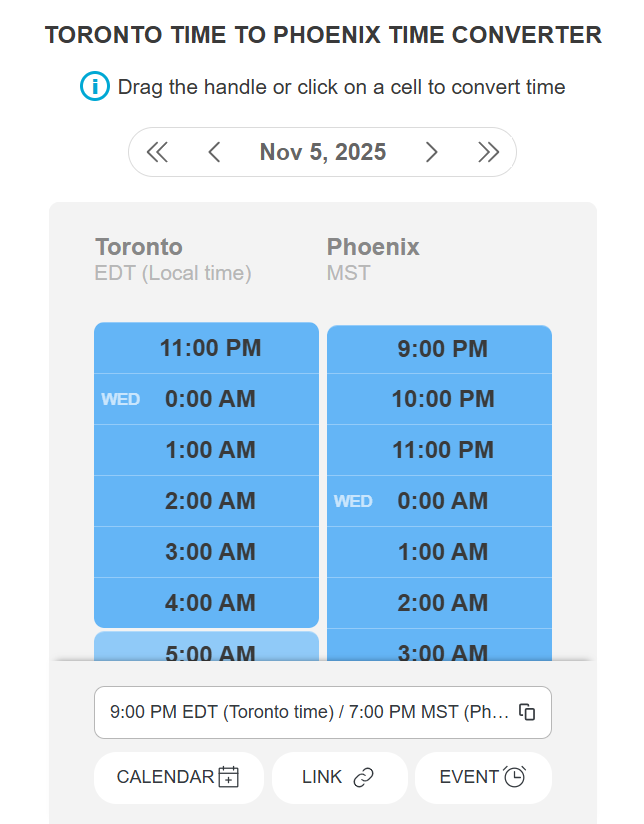
If I arrange a meeting with someone in a different time zone, then I use Time Converter on the website 24timezones.com to visually identify the correct pair of times, and I make sure to choose the correct meeting date.